Hormonal imbalance isn’t just a concern for women. Men experience significant hormonal shifts throughout their lives—and these changes can quietly undermine energy, mood, body composition, and sexual health without ever announcing themselves clearly.

The challenge? Most men dismiss early warning signs as normal aging, work stress, or simply “getting older.” But when testosterone levels drop, thyroid hormones go haywire, or cortisol stays chronically elevated, the effects ripple through nearly every system in your body.
This wiredhealthconference.com article breaks down exactly what hormonal imbalances in men look like, what causes them, how doctors diagnose them, and what you can actually do about them. Whether you’re 35 and noticing subtle changes or 55 and wondering why you feel so different from a decade ago. Recognizing the signs of hormonal imbalance can help men seek the treatment that prevents long-term health complications and reclaims your vitality.
Quick Answer: Key Signs Men Should Watch For
Hormonal imbalance is surprisingly common in men over 30–35, and affects close to half the population of men over 45. The symptoms often appear gradually and mimic everyday complaints, making them easy to overlook.
Here are the key signs that warrant attention:
- Low sex drive – Noticeably reduced interest in sex that persists for weeks or months, not just a temporary dip during stressful periods.
- Erectile problems – Difficulty achieving or maintaining erections, including fewer spontaneous morning erections.
- Unexplained fatigue – Feeling exhausted despite 7–8 hours of sleep, with afternoon energy crashes becoming routine.
- Increased belly fat – Gaining weight around the midsection and chest despite no major changes in diet or activity.
- Mood swings and irritability – New or worsening anxiety, depression, or feeling emotionally reactive over minor issues.
- Poor sleep quality – Trouble falling asleep, frequent night waking, or waking up feeling unrefreshed.
- Brain fog – Difficulty concentrating, forgetfulness with everyday tasks, or slower mental processing than you remember.
- Hair thinning – Reduced body hair, slower beard growth, or accelerated scalp hair loss.
- Reduced strength and muscle – Struggling with weights that used to feel manageable, or a visible loss of muscle definition.
- Enlarged breast tissue – Swelling, tenderness, or visible enlargement in the chest area (gynecomastia).
These symptoms should not be automatically dismissed as “just getting older” or blamed entirely on stress. While aging does cause gradual hormonal changes, persistent symptoms that interfere with everyday life often signal a correctable imbalance.
If several of these signs have persisted for more than 3 months, speak with a healthcare provider. A simple blood test can reveal whether hormone levels are contributing to how you feel.
What Is a Hormonal Imbalance in Men?
Hormones are chemical messengers produced by endocrine glands—including the testes, thyroid, adrenals, and pituitary gland—that travel through your bloodstream to regulate nearly every bodily function.
A hormone imbalance occurs when one or more of these messengers is chronically too high or too low:
- Testosterone becomes insufficient to maintain muscle, libido, and mood
- Thyroid hormones (T3 and T4) over- or under-produce, disrupting metabolism
- Cortisol (the stress hormone) stays elevated, interfering with sleep and testosterone production
- Insulin fails to regulate blood sugar properly, promoting weight gain and fatigue
- Estrogen rises relative to testosterone, causing feminizing effects
These hormones influence interconnected systems:
- Energy production and metabolism
- Muscle maintenance and bone density
- Mood regulation and cognitive function
- Sexual and reproductive function
- Sleep patterns and circadian rhythm
It’s important to recognize that hormone levels naturally fluctuate throughout the day—for example, testosterone typically peaks in the morning and declines in the evening. This variation is entirely normal.
What doctors consider a pathological imbalance is when levels remain persistently abnormal over weeks to months, causing progressive symptoms. While men can experience hormonal imbalances at any age, prevalence rises significantly after about age 40. Testosterone declines roughly 1–2% per year after age 30, and chronic health conditions that affect hormone regulation become more common with age.
Major Hormones Commonly Involved in Men
When symptoms emerge, they rarely trace back to a single hormone. The endocrine system operates as an interconnected network, so imbalances often involve multiple hormones simultaneously. This is why comprehensive lab testing matters more than checking testosterone alone.
Here are the key players in hormonal health for men:
Testosterone: The dominant male hormone, synthesized primarily in the testes. Testosterone drives sexual desire, supports maintaining muscle mass, maintains bone density, regulates fat distribution, and influences mood and motivation. Low levels cause the classic symptoms: reduced libido, erectile dysfunction, muscle loss, increased body fat, and low energy. Clinically, total testosterone below 300 ng/dL typically signals deficiency.
Thyroid Hormones (T3 and T4): Produced by the thyroid gland, these hormones control metabolism, body temperature, and heart rate. Low thyroid hormone levels typically cause fatigue, weight gain, cold intolerance, and/or sluggish thinking. Elevated levels trigger unintentional weight loss, rapid heartbeat, anxiety, and heat intolerance.
Cortisol: The primary stress hormone, released by the adrenal glands. Cortisol helps regulate blood pressure, sleep-wake cycles, and stress response. Chronically elevated cortisol suppresses testosterone production, promotes central weight gain, and disrupts sleep. Abnormally low cortisol causes severe fatigue and low blood pressure.
Insulin: produced by the pancreas, regulates blood sugar and influences fat storage. Insulin resistance—when cells stop responding properly—leads to increased body fat, difficulty losing weight, and is strongly linked to low testosterone and metabolic dysfunction.
Estrogen and Prolactin: While considered “female” hormones, men produce estrogen and Prolactin in smaller amounts. Elevated estrogen (relative to testosterone) promotes gynecomastia, reduces libido, and contributes to erectile problems. High prolactin levels can suppress sexual function, reduce sperm count, and—in rare cases—signal a pituitary gland tumor.
When ordering blood tests, clinicians look at these hormones together to understand the full picture of hormonal balance rather than viewing any single marker in isolation.
Common Signs and Symptoms of Hormonal Imbalance in Men

The specific symptoms you experience depend on which hormones are affected, but most men notice a cluster of changes rather than a single isolated issue. Because symptoms develop gradually over months to years, they’re easy to overlook or attribute to work stress, poor sleep, or simply getting older.
Here’s a comprehensive breakdown organized by category:
Sexual and Reproductive Signs
- Low libido—persistent decreased sexual desire that doesn’t bounce back
- Erectile dysfunction—difficulty achieving or maintaining erections during sex
- Fewer spontaneous morning erections (a subtle but meaningful indicator)
- Decreased semen volume during ejaculation
- Difficulty conceiving after 6–12 months of trying, suggesting impaired sperm production
- Reduced intensity of orgasm or sexual satisfaction
Energy and Physical Performance Signs
- Persistent fatigue despite adequate sleep (7–8 hours)
- Reduced stamina during workouts you previously handled easily
- Slower recovery after exercise—prolonged soreness, extended rest needs
- Afternoon energy crashes that make focus difficult
- Feeling “sluggish” even after caffeine
Body Composition and Physical Changes
- Loss of muscle mass or strength—weights that used to feel easy now feel heavy
- Increased body fat, especially around the abdomen and chest
- Unexplained weight gain despite no major dietary changes
- Less commonly: unintentional weight loss (more typical of thyroid or severe hormonal disorders)
- Decreased body hair or needing to shave less frequently
- Visible changes in muscle definition
Mood and Mental Health Changes
- New or worsening irritability—shorter temper than usual
- Anxiety that wasn’t present before
- Low mood or symptoms resembling depression
- Feeling less motivated, driven, or ambitious
- Increased sensitivity to stress—things that wouldn’t have bothered you now do
- Emotional symptoms that feel out of character
Cognitive Signs
- Brain fog—difficulty thinking clearly or organizing thoughts
- Trouble focusing at work or during conversations
- Forgetfulness with everyday tasks (names, appointments, where you put things)
- Slower mental processing compared to a few years earlier
- Difficulty learning new information or skills
Sleep and Circadian Rhythm Issues
- Difficulty falling asleep despite feeling tired
- Frequent nighttime waking (especially between 2–4 a.m.)
- Non-restorative sleep—waking up feeling like you didn’t rest
- Loud snoring or suspected sleep apnea (which worsens hormonal issues in a vicious cycle)
- Night sweats or hot flashes (yes, men can experience these too)
Physical Appearance and Other Bodily Signs
- Hair thinning on the scalp or decreased beard density
- Gynecomastia—swollen, tender, or visibly enlarged breast tissue
- Dry or thinning skin
- Increased or decreased sweating without an obvious cause
- More frequent urination or increased thirst (can signal insulin or blood sugar issues)
Bone and Joint Health
- More frequent joint aches without injury
- Decreased height over the years (potential sign of bone density loss)
- Fractures from relatively minor falls or impacts
Any single symptom can have many causes. What’s most suggestive of hormonal involvement is a pattern of multiple symptoms that persist over time rather than one isolated complaint.
Specific Hormonal Imbalances and Their Typical Signs
While symptoms overlap considerably, different imbalances tend to produce somewhat characteristic patterns. Understanding these can help you have more informed conversations with your healthcare provider.
Low Testosterone (Hypogonadism)
This is the most discussed male hormone imbalance, affecting an estimated 2–5% of aging men significantly enough to warrant treatment.

Hallmark signs include:
- Reduced libido and sexual desire
- Erectile dysfunction and fewer morning erections
- Decreased muscle mass and strength
- Increased body fat, particularly belly fat and chest (“man boobs”)
- Low energy levels and persistent fatigue
- Low mood, irritability, or depression
- Hair thinning on the body and face
- Decreased bone density (increasing fracture risk)
- Reduced testicle size in some cases
Testosterone deficiency can be primary (testicular failure) or secondary (problems with the pituitary gland or hypothalamus affecting hormone regulation).
High Estrogen Relative to Testosterone
When estrogen levels rise compared to testosterone—often from obesity, as fat tissue converts testosterone to estrogen—men experience:
- Gynecomastia (breast enlargement or tenderness)
- Increased body fat accumulation
- Reduced libido and erectile problems
- Emotional sensitivity or mood swings
- Water retention
This imbalance often accompanies low testosterone and worsens its effects.
Thyroid Disorders
Thyroid problems affect overall health and energy profoundly:
Hypothyroidism (low thyroid):
- Fatigue and sluggishness
- Unexplained weight gain despite no diet changes
- Feeling cold when others are comfortable
- Slow heart rate
- Constipation
- Dry skin and hair loss
- Depression and brain fog
Hyperthyroidism (high thyroid):
- Unintentional weight loss
- Rapid or irregular heartbeat
- Anxiety and nervousness
- Heat intolerance and excessive sweating
- Tremor in the hands
- Difficulty sleeping
Cortisol Imbalance
Stress levels directly affect cortisol, which in turn affects testosterone:
Chronically elevated cortisol:
- Central weight gain (belly, face)
- Elevated blood pressure
- Anxiety and difficulty relaxing
- Poor sleep quality
- Suppressed testosterone production
- Weakened immune function
Low cortisol (rare, often from adrenal issues):
- Severe, debilitating fatigue
- Low blood pressure and dizziness upon standing
- Salt cravings
- Skin darkening in some conditions
Insulin Resistance and Metabolic Issues
Strongly linked to testosterone and body composition:
- Increased waist circumference despite efforts
- Difficulty losing weight even with diet and exercise
- Strong sugar or carbohydrate cravings
- Energy crashes after meals
- Often accompanies prediabetes or type 2 diabetes
High Prolactin (Hyperprolactinemia)
Less common but significant:
- Reduced sex drive
- Erectile dysfunction
- Reduced sperm count affects male fertility
- Breast tenderness or, rarely, discharge
- If caused by a pituitary tumor: headaches or visual changes
Only blood tests and proper medical evaluation can confirm which hormone is out of balance. Symptoms guide the investigation, but they aren’t a diagnosis.
What Causes Hormonal Imbalance in Men?
The contributing factors behind hormonal imbalance are usually multifactorial—a combination of age, lifestyle factors, medical conditions, medications, and sometimes genetic factors.
Age-Related Changes
Testosterone production declines year-after-year on average after age 30. By the time men reach their 40s and 50s, cumulative decline can produce noticeable symptoms. Thyroid disorders and metabolic conditions also become more common with age.
This gradual decline is sometimes called “late-onset hypogonadism” or colloquially “male menopause”—though the latter term oversimplifies a complex process.
Lifestyle and Environment
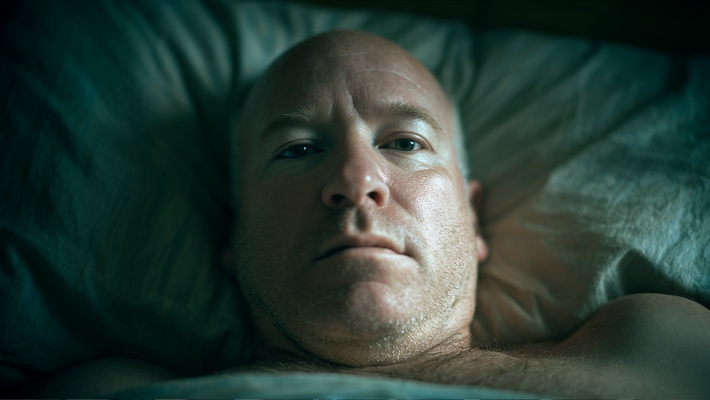
Daily habits significantly impact hormone regulation:
- Poor sleep – Regularly getting less than 6 hours suppresses testosterone production
- Chronic stress – Keeps cortisol elevated, which directly suppresses testosterone synthesis
- Processed diets – High sugar and trans fat intake disrupt insulin and promote inflammation
- Physical inactivity – Reduces testosterone and promotes muscle loss
- Smoking – Damages blood vessels and affects hormone transport
- Heavy alcohol consumption – Impairs testosterone production and liver function
- Environmental toxins – Certain pesticides, plastics (BPA), and chemicals act as endocrine disruptors
Body Weight and Metabolic Health
Obesity, especially abdominal obesity, creates a hormone-disrupting cycle:
- Fat tissue contains enzymes that convert testosterone to estrogen
- Higher estrogen promotes more fat storage
- Insulin resistance develops, further lowering testosterone
- The cycle reinforces itself
Men with type 2 diabetes have significantly higher rates of low testosterone, creating interconnected chronic health conditions.
Medical Conditions
Specific health issues directly impact hormone production:
- Testicular injury or infection (including mumps orchitis)
- Pituitary gland tumors or diseases
- Thyroid disorders (hypo- or hyperthyroidism)
- Chronic kidney or liver disease
- Autoimmune conditions
- Obstructive sleep apnea severely impacts testosterone and cortisol
- Hemochromatosis (iron overload damaging the testes)
Medications and Substances
Certain medications interfere with the endocrine system:
- Long-term anabolic steroid use (suppresses natural production)
- Chronic opioid therapy
- Some antidepressants and anti-anxiety medications
- Anti-androgen medications (used for prostate conditions)
- Cancer treatment, including chemotherapy and radiation therapy
- Certain medications for blood pressure or heartburn
Genetic and Congenital Causes
Some men are born with conditions affecting hormones:
- Klinefelter syndrome – An extra X chromosome, causing small testes and reduced testosterone production
- Other rare genetic disorders affecting the testes, pituitary, or hypothalamus
- Undescended testicles that weren’t corrected in childhood
These conditions are usually diagnosed by endocrine or fertility specialists and require specialized care.
It’s important not to self-blame. Many causes are modifiable through lifestyle changes, while others require medical treatment—but effective management is possible regardless of the underlying cause.
When to See a Doctor and How Hormonal Imbalance Is Diagnosed
Early evaluation can prevent long-term complications like osteoporosis (bone density loss triples with untreated hypogonadism), cardiovascular issues, or male infertility.
When to Seek Medical Advice
Consider scheduling an appointment if:
- Symptoms persist longer than 3–6 months
- Problems interfere with your sex life, work, or relationships
- You notice rapid unintentional weight loss or gain
- You experience severe depression or anxiety
- You develop new chest pain, shortness of breath, or other concerning symptoms
- You and your partner have been trying to conceive for 6–12 months without success
What to Expect During Evaluation
Diagnosis typically begins with:
Detailed history – Your healthcare provider will ask about symptoms, timeline, sleep quality, stress levels, medications (including supplements), family history, and lifestyle habits.
Physical examination – Assessment of testicular size, breast tissue for gynecomastia, body hair distribution, weight, blood pressure, and overall health indicators.
Common Blood Tests
Laboratory testing provides objective data. Tests commonly ordered include:
| Test | What It Measures |
|---|---|
| Total testosterone | Overall testosterone in blood (drawn in the morning) |
| Free testosterone | Bioavailable testosterone not bound to proteins |
| Luteinizing hormone (LH) | The pituitary signal to produce testosterone |
| Follicle-stimulating hormone (FSH) | Pituitary signal affecting sperm production |
| TSH, Free T4, Free T3 | Thyroid function panel |
| Fasting glucose and insulin | Blood sugar and insulin resistance markers |
| HbA1c | Average blood sugar over 3 months |
| Cortisol | Stress hormone levels |
| Prolactin | Can signal pituitary issues if elevated |
| Estradiol | Estrogen levels in men |
| Lipid profile | Cholesterol and cardiovascular markers |
Important: Testosterone must be drawn early in the morning (ideally 7–10 a.m.), when levels are highest. Because hormone levels fluctuate, abnormal results are often repeated to confirm the diagnosis.
Additional Testing
If initial results suggest specific problems, your doctor may order:
- Imaging tests – Testicular ultrasound to assess structure, or pituitary MRI if a tumor is suspected
- Semen analysis – If fertility is a concern
- Bone density scan – If osteoporosis is suspected
- Sleep study – To evaluate for sleep apnea affecting hormones
Pro tip: Before your appointment, keep a symptom diary noting dates, severity, and any triggers. This helps clinicians interpret lab results in context and identify patterns you might otherwise forget to mention.

Treatment and Lifestyle Strategies for Restoring Hormonal Balance
Treatment options depend entirely on what’s causing the imbalance and may include lifestyle modifications, medications, or hormone therapy—often in combination.
Lifestyle Foundations
Before or alongside medical treatment, these fundamentals make a significant difference:
Exercise regularly
- Resistance training 2–4 times per week helps maintain muscle mass and supports testosterone.
- Cardiovascular exercise 2–3 times per week improves insulin sensitivity and blood flow.
- Avoid overtraining, which can elevate cortisol and suppress testosterone
Prioritize sleep
- Aim for 7–9 hours of consistent, quality sleep
- Maintain regular sleep and wake times, even on weekends
- Address sleep apnea if present—it’s a major hormonal disruptor
Eat a nutritious diet
- Focus on whole foods: lean proteins, healthy fats (olive oil, avocados, nuts), fiber, vegetables, and fruit.
- Limit processed foods, added sugars, and trans fats
- A balanced diet rich in zinc, vitamin D, and magnesium supports hormone production
Manage stress levels
- Chronic stress keeps cortisol elevated and testosterone suppressed
- Consider stress-reduction practices: exercise, adequate sleep, time in nature, or mindfulness
Limit alcohol and quit smoking
- Heavy alcohol consumption impairs testosterone production
- Quitting smoking improves blood flow and overall hormonal health
Weight Management
For overweight men, losing 5–10% of body weight can significantly improve testosterone and insulin levels. Research shows that a reduction in body fat can increase testosterone.
Focus on sustainable changes rather than crash diets:
- Moderate caloric deficit (300–500 calories below maintenance)
- High protein intake to preserve muscle
- Consistent exercise routine
- Patience—hormonal improvements often lag behind weight loss by several months
Medical Therapies
When lifestyle changes aren’t sufficient, doctors may prescribe:
Hormone replacement therapy (HRT). For confirmed testosterone deficiency, hormone therapy can restore adequate testosterone levels through:
- Topical gels applied daily
- Injections (weekly or biweekly)
- Patches
- Pellets implanted under the skin
Benefits can include improvement in energy levels, muscle gain, improved mood stability, and restored sexual function in more than half of appropriately selected patients.
Thyroid medication for hypothyroidism (synthetic thyroid hormone) normalizes metabolism and energy.
Other hormone regulation medications, depending on the specific imbalance:
- Medications to lowProlactintin
- Treatments for cortisol disorders
- Insulin-sensitizing medications for metabolic issues
Regular monitoring of hormone levels and side effects is essential during treatment.
Fertility-Focused Care
For men trying to conceive, treatment approaches differ. Standard testosterone replacement actually suppresses sperm count by signaling the testes to stop natural production.
A fertility specialist can guide appropriate treatment to protect or improve sperm count.
Supportive Measures
Some evidence-based supplements may help under medical guidance:
- Vitamin D Deficiency is linked to low testosterone
- Zinc – Essential for testosterone synthesis
- Magnesium – Supports sleep and hormone production
However, avoid unregulated “testosterone booster” products sold online. Most lack evidence, and some contain undisclosed ingredients that can worsen an imbalance or cause serious side effects.
Critical warning: Self-prescribing hormones, anabolic steroids, or “research chemicals” is dangerous. These can severely disrupt natural production, damage fertility, and carry cardiovascular and liver risks. Professional supervision is essential for safe, effective treatment.
Living Well with Hormonal Imbalance
Hormonal imbalance is common and manageable with the right approach. Many men notice meaningful improvement in energy levels, mood, sexual health, and cognitive function after targeted treatment—whether through lifestyle changes alone or combined with medical therapy.
Ongoing Care

Hormonal needs change over time. What works at 45 may need adjustment at 55 or after major life changes, such as new medications, shift work, or significant stressors. Regular follow-up with your healthcare provider helps ensure your treatment stays optimized.
Plan for:
- Periodic lab checks (typically every 6–12 months once stable)
- Honest conversations about what’s working and what isn’t
- Adjustments as life circumstances evolve
Practical Daily Habits
Building sustainable routines supports long-term hormonal balance:
- Track your sleep and energy – Simple notes help identify patterns and treatment response
- Maintain regular exercise – Even 20–30 minutes most days makes a difference
- Communicate with your partner – Symptoms and treatment affect relationships; openness helps
- Stay informed – Understanding your condition empowers better decisions
The Bigger Picture
Paying attention to hormonal health isn’t vanity or weakness—it’s an important part of overall health and long-term wellbeing. Untreated imbalances increase risks for depression, osteoporosis, cardiovascular disease, and diminished quality of life.
The good news? Whether your imbalance stems from lifestyle factors, aging, medical conditions, or genetic factors, effective management options exist. Most men who address their hormonal health report feeling more like themselves again—more energy, clearer thinking, better mood, and improved sexual function.
If several of the signs in this guide resonate with your experience, take the next step. Schedule a conversation with your healthcare provider, request appropriate blood tests, and start building the foundation for balanced hormones and restored vitality.
Your energy, your mood, your relationships, and your future self will thank you for it.
