Signs of Hormonal Imbalance in Men

Hormonal imbalance isn’t just a concern for women. Men experience significant hormonal shifts throughout their lives—and these changes can quietly undermine energy, mood, body composition, and sexual health without ever announcing themselves clearly.

signs of hormonal imbalance in men

The challenge? Most men dismiss early warning signs as normal aging, work stress, or simply “getting older.” But when testosterone levels drop, thyroid hormones go haywire, or cortisol stays chronically elevated, the effects ripple through nearly every system in your body.

This wiredhealthconference.com article breaks down exactly what hormonal imbalances in men look like, what causes them, how doctors diagnose them, and what you can actually do about them. Whether you’re 35 and noticing subtle changes or 55 and wondering why you feel so different from a decade ago. Recognizing the signs of hormonal imbalance can help men seek the treatment that prevents long-term health complications and reclaims your vitality.

Quick Answer: Key Signs Men Should Watch For

Hormonal imbalance is surprisingly common in men over 30–35, and affects close to half the population of men over 45. The symptoms often appear gradually and mimic everyday complaints, making them easy to overlook.

Here are the key signs that warrant attention:

  • Low sex drive – Noticeably reduced interest in sex that persists for weeks or months, not just a temporary dip during stressful periods.
  • Erectile problems – Difficulty achieving or maintaining erections, including fewer spontaneous morning erections.
  • Unexplained fatigue – Feeling exhausted despite 7–8 hours of sleep, with afternoon energy crashes becoming routine.
  • Increased belly fat – Gaining weight around the midsection and chest despite no major changes in diet or activity.
  • Mood swings and irritability – New or worsening anxiety, depression, or feeling emotionally reactive over minor issues.
  • Poor sleep quality – Trouble falling asleep, frequent night waking, or waking up feeling unrefreshed.
  • Brain fog – Difficulty concentrating, forgetfulness with everyday tasks, or slower mental processing than you remember.
  • Hair thinning – Reduced body hair, slower beard growth, or accelerated scalp hair loss.
  • Reduced strength and muscle – Struggling with weights that used to feel manageable, or a visible loss of muscle definition.
  • Enlarged breast tissue – Swelling, tenderness, or visible enlargement in the chest area (gynecomastia).

These symptoms should not be automatically dismissed as “just getting older” or blamed entirely on stress. While aging does cause gradual hormonal changes, persistent symptoms that interfere with everyday life often signal a correctable imbalance.

If several of these signs have persisted for more than 3 months, speak with a healthcare provider. A simple blood test can reveal whether hormone levels are contributing to how you feel.

What Is a Hormonal Imbalance in Men?

Hormones are chemical messengers produced by endocrine glands—including the testes, thyroid, adrenals, and pituitary gland—that travel through your bloodstream to regulate nearly every bodily function.

A hormone imbalance occurs when one or more of these messengers is chronically too high or too low:

  • Testosterone becomes insufficient to maintain muscle, libido, and mood
  • Thyroid hormones (T3 and T4) over- or under-produce, disrupting metabolism
  • Cortisol (the stress hormone) stays elevated, interfering with sleep and testosterone production
  • Insulin fails to regulate blood sugar properly, promoting weight gain and fatigue
  • Estrogen rises relative to testosterone, causing feminizing effects

These hormones influence interconnected systems:

  • Energy production and metabolism
  • Muscle maintenance and bone density
  • Mood regulation and cognitive function
  • Sexual and reproductive function
  • Sleep patterns and circadian rhythm

It’s important to recognize that hormone levels naturally fluctuate throughout the day—for example, testosterone typically peaks in the morning and declines in the evening. This variation is entirely normal.

What doctors consider a pathological imbalance is when levels remain persistently abnormal over weeks to months, causing progressive symptoms. While men can experience hormonal imbalances at any age, prevalence rises significantly after about age 40. Testosterone declines roughly 1–2% per year after age 30, and chronic health conditions that affect hormone regulation become more common with age.

Major Hormones Commonly Involved in Men

When symptoms emerge, they rarely trace back to a single hormone. The endocrine system operates as an interconnected network, so imbalances often involve multiple hormones simultaneously. This is why comprehensive lab testing matters more than checking testosterone alone.

Here are the key players in hormonal health for men:

Testosterone: The dominant male hormone, synthesized primarily in the testes. Testosterone drives sexual desire, supports maintaining muscle mass, maintains bone density, regulates fat distribution, and influences mood and motivation. Low levels cause the classic symptoms: reduced libido, erectile dysfunction, muscle loss, increased body fat, and low energy. Clinically, total testosterone below 300 ng/dL typically signals deficiency.

Thyroid Hormones (T3 and T4): Produced by the thyroid gland, these hormones control metabolism, body temperature, and heart rate. Low thyroid hormone levels typically cause fatigue, weight gain, cold intolerance, and/or sluggish thinking. Elevated levels trigger unintentional weight loss, rapid heartbeat, anxiety, and heat intolerance.

Cortisol: The primary stress hormone, released by the adrenal glands. Cortisol helps regulate blood pressure, sleep-wake cycles, and stress response. Chronically elevated cortisol suppresses testosterone production, promotes central weight gain, and disrupts sleep. Abnormally low cortisol causes severe fatigue and low blood pressure.

Insulin: produced by the pancreas, regulates blood sugar and influences fat storage. Insulin resistance—when cells stop responding properly—leads to increased body fat, difficulty losing weight, and is strongly linked to low testosterone and metabolic dysfunction.

Estrogen and Prolactin: While considered “female” hormones, men produce estrogen and Prolactin in smaller amounts. Elevated estrogen (relative to testosterone) promotes gynecomastia, reduces libido, and contributes to erectile problems. High prolactin levels can suppress sexual function, reduce sperm count, and—in rare cases—signal a pituitary gland tumor.

When ordering blood tests, clinicians look at these hormones together to understand the full picture of hormonal balance rather than viewing any single marker in isolation.

Common Signs and Symptoms of Hormonal Imbalance in Men

a fatigued man seated at an office desk, signs of hormonal imbalance low energy and moody

The specific symptoms you experience depend on which hormones are affected, but most men notice a cluster of changes rather than a single isolated issue. Because symptoms develop gradually over months to years, they’re easy to overlook or attribute to work stress, poor sleep, or simply getting older.

Here’s a comprehensive breakdown organized by category:

Sexual and Reproductive Signs

  • Low libido—persistent decreased sexual desire that doesn’t bounce back
  • Erectile dysfunction—difficulty achieving or maintaining erections during sex
  • Fewer spontaneous morning erections (a subtle but meaningful indicator)
  • Decreased semen volume during ejaculation
  • Difficulty conceiving after 6–12 months of trying, suggesting impaired sperm production
  • Reduced intensity of orgasm or sexual satisfaction

Energy and Physical Performance Signs

  • Persistent fatigue despite adequate sleep (7–8 hours)
  • Reduced stamina during workouts you previously handled easily
  • Slower recovery after exercise—prolonged soreness, extended rest needs
  • Afternoon energy crashes that make focus difficult
  • Feeling “sluggish” even after caffeine

Body Composition and Physical Changes

  • Loss of muscle mass or strength—weights that used to feel easy now feel heavy
  • Increased body fat, especially around the abdomen and chest
  • Unexplained weight gain despite no major dietary changes
  • Less commonly: unintentional weight loss (more typical of thyroid or severe hormonal disorders)
  • Decreased body hair or needing to shave less frequently
  • Visible changes in muscle definition

Mood and Mental Health Changes

  • New or worsening irritability—shorter temper than usual
  • Anxiety that wasn’t present before
  • Low mood or symptoms resembling depression
  • Feeling less motivated, driven, or ambitious
  • Increased sensitivity to stress—things that wouldn’t have bothered you now do
  • Emotional symptoms that feel out of character

Cognitive Signs

  • Brain fog—difficulty thinking clearly or organizing thoughts
  • Trouble focusing at work or during conversations
  • Forgetfulness with everyday tasks (names, appointments, where you put things)
  • Slower mental processing compared to a few years earlier
  • Difficulty learning new information or skills

Sleep and Circadian Rhythm Issues

  • Difficulty falling asleep despite feeling tired
  • Frequent nighttime waking (especially between 2–4 a.m.)
  • Non-restorative sleep—waking up feeling like you didn’t rest
  • Loud snoring or suspected sleep apnea (which worsens hormonal issues in a vicious cycle)
  • Night sweats or hot flashes (yes, men can experience these too)

Physical Appearance and Other Bodily Signs

  • Hair thinning on the scalp or decreased beard density
  • Gynecomastia—swollen, tender, or visibly enlarged breast tissue
  • Dry or thinning skin
  • Increased or decreased sweating without an obvious cause
  • More frequent urination or increased thirst (can signal insulin or blood sugar issues)

Bone and Joint Health

  • More frequent joint aches without injury
  • Decreased height over the years (potential sign of bone density loss)
  • Fractures from relatively minor falls or impacts

Any single symptom can have many causes. What’s most suggestive of hormonal involvement is a pattern of multiple symptoms that persist over time rather than one isolated complaint.

Specific Hormonal Imbalances and Their Typical Signs

While symptoms overlap considerably, different imbalances tend to produce somewhat characteristic patterns. Understanding these can help you have more informed conversations with your healthcare provider.

Low Testosterone (Hypogonadism)

This is the most discussed male hormone imbalance, affecting an estimated 2–5% of aging men significantly enough to warrant treatment.

man in a gym, looking at weights with a confused and frustrated expression

Hallmark signs include:

  • Reduced libido and sexual desire
  • Erectile dysfunction and fewer morning erections
  • Decreased muscle mass and strength
  • Increased body fat, particularly belly fat and chest (“man boobs”)
  • Low energy levels and persistent fatigue
  • Low mood, irritability, or depression
  • Hair thinning on the body and face
  • Decreased bone density (increasing fracture risk)
  • Reduced testicle size in some cases

Testosterone deficiency can be primary (testicular failure) or secondary (problems with the pituitary gland or hypothalamus affecting hormone regulation).

High Estrogen Relative to Testosterone

When estrogen levels rise compared to testosterone—often from obesity, as fat tissue converts testosterone to estrogen—men experience:

  • Gynecomastia (breast enlargement or tenderness)
  • Increased body fat accumulation
  • Reduced libido and erectile problems
  • Emotional sensitivity or mood swings
  • Water retention

This imbalance often accompanies low testosterone and worsens its effects.

Thyroid Disorders

Thyroid problems affect overall health and energy profoundly:

Hypothyroidism (low thyroid):

  • Fatigue and sluggishness
  • Unexplained weight gain despite no diet changes
  • Feeling cold when others are comfortable
  • Slow heart rate
  • Constipation
  • Dry skin and hair loss
  • Depression and brain fog

Hyperthyroidism (high thyroid):

  • Unintentional weight loss
  • Rapid or irregular heartbeat
  • Anxiety and nervousness
  • Heat intolerance and excessive sweating
  • Tremor in the hands
  • Difficulty sleeping

Cortisol Imbalance

Stress levels directly affect cortisol, which in turn affects testosterone:

Chronically elevated cortisol:

  • Central weight gain (belly, face)
  • Elevated blood pressure
  • Anxiety and difficulty relaxing
  • Poor sleep quality
  • Suppressed testosterone production
  • Weakened immune function

Low cortisol (rare, often from adrenal issues):

  • Severe, debilitating fatigue
  • Low blood pressure and dizziness upon standing
  • Salt cravings
  • Skin darkening in some conditions

Insulin Resistance and Metabolic Issues

Strongly linked to testosterone and body composition:

  • Increased waist circumference despite efforts
  • Difficulty losing weight even with diet and exercise
  • Strong sugar or carbohydrate cravings
  • Energy crashes after meals
  • Often accompanies prediabetes or type 2 diabetes

High Prolactin (Hyperprolactinemia)

Less common but significant:

  • Reduced sex drive
  • Erectile dysfunction
  • Reduced sperm count affects male fertility
  • Breast tenderness or, rarely, discharge
  • If caused by a pituitary tumor: headaches or visual changes

Only blood tests and proper medical evaluation can confirm which hormone is out of balance. Symptoms guide the investigation, but they aren’t a diagnosis.

What Causes Hormonal Imbalance in Men?

The contributing factors behind hormonal imbalance are usually multifactorial—a combination of age, lifestyle factors, medical conditions, medications, and sometimes genetic factors.

Age-Related Changes

Testosterone production declines year-after-year on average after age 30. By the time men reach their 40s and 50s, cumulative decline can produce noticeable symptoms. Thyroid disorders and metabolic conditions also become more common with age.

This gradual decline is sometimes called “late-onset hypogonadism” or colloquially “male menopause”—though the latter term oversimplifies a complex process.

Lifestyle and Environment
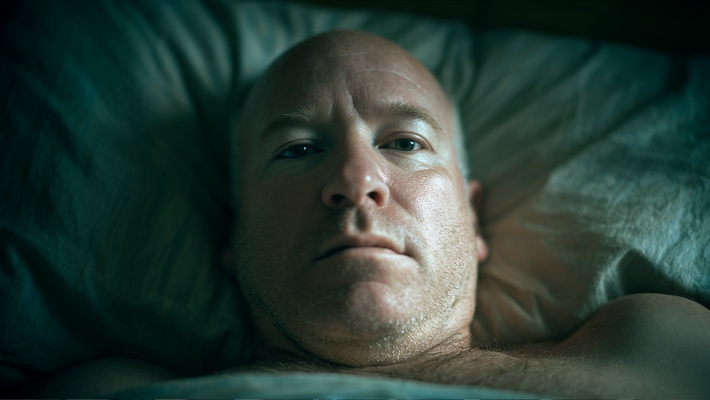
overweight stressed 40 year old man that cannot sleep

Daily habits significantly impact hormone regulation:

  • Poor sleep – Regularly getting less than 6 hours suppresses testosterone production
  • Chronic stress – Keeps cortisol elevated, which directly suppresses testosterone synthesis
  • Processed diets – High sugar and trans fat intake disrupt insulin and promote inflammation
  • Physical inactivity – Reduces testosterone and promotes muscle loss
  • Smoking – Damages blood vessels and affects hormone transport
  • Heavy alcohol consumption – Impairs testosterone production and liver function
  • Environmental toxins – Certain pesticides, plastics (BPA), and chemicals act as endocrine disruptors

Body Weight and Metabolic Health

Obesity, especially abdominal obesity, creates a hormone-disrupting cycle:

  • Fat tissue contains enzymes that convert testosterone to estrogen
  • Higher estrogen promotes more fat storage
  • Insulin resistance develops, further lowering testosterone
  • The cycle reinforces itself

Men with type 2 diabetes have significantly higher rates of low testosterone, creating interconnected chronic health conditions.

Medical Conditions

Specific health issues directly impact hormone production:

  • Testicular injury or infection (including mumps orchitis)
  • Pituitary gland tumors or diseases
  • Thyroid disorders (hypo- or hyperthyroidism)
  • Chronic kidney or liver disease
  • Autoimmune conditions
  • Obstructive sleep apnea severely impacts testosterone and cortisol
  • Hemochromatosis (iron overload damaging the testes)

Medications and Substances

Certain medications interfere with the endocrine system:

  • Long-term anabolic steroid use (suppresses natural production)
  • Chronic opioid therapy
  • Some antidepressants and anti-anxiety medications
  • Anti-androgen medications (used for prostate conditions)
  • Cancer treatment, including chemotherapy and radiation therapy
  • Certain medications for blood pressure or heartburn

Genetic and Congenital Causes

Some men are born with conditions affecting hormones:

  • Klinefelter syndrome – An extra X chromosome, causing small testes and reduced testosterone production
  • Other rare genetic disorders affecting the testes, pituitary, or hypothalamus
  • Undescended testicles that weren’t corrected in childhood

These conditions are usually diagnosed by endocrine or fertility specialists and require specialized care.

It’s important not to self-blame. Many causes are modifiable through lifestyle changes, while others require medical treatment—but effective management is possible regardless of the underlying cause.

When to See a Doctor and How Hormonal Imbalance Is Diagnosed

Early evaluation can prevent long-term complications like osteoporosis (bone density loss triples with untreated hypogonadism), cardiovascular issues, or male infertility.

When to Seek Medical Advice

Consider scheduling an appointment if:

  • Symptoms persist longer than 3–6 months
  • Problems interfere with your sex life, work, or relationships
  • You notice rapid unintentional weight loss or gain
  • You experience severe depression or anxiety
  • You develop new chest pain, shortness of breath, or other concerning symptoms
  • You and your partner have been trying to conceive for 6–12 months without success

What to Expect During Evaluation

Diagnosis typically begins with:

Detailed history – Your healthcare provider will ask about symptoms, timeline, sleep quality, stress levels, medications (including supplements), family history, and lifestyle habits.

Physical examination – Assessment of testicular size, breast tissue for gynecomastia, body hair distribution, weight, blood pressure, and overall health indicators.

Common Blood Tests

Laboratory testing provides objective data. Tests commonly ordered include:

Test What It Measures
Total testosterone Overall testosterone in blood (drawn in the morning)
Free testosterone Bioavailable testosterone not bound to proteins
Luteinizing hormone (LH) The pituitary signal to produce testosterone
Follicle-stimulating hormone (FSH) Pituitary signal affecting sperm production
TSH, Free T4, Free T3 Thyroid function panel
Fasting glucose and insulin Blood sugar and insulin resistance markers
HbA1c Average blood sugar over 3 months
Cortisol Stress hormone levels
Prolactin Can signal pituitary issues if elevated
Estradiol Estrogen levels in men
Lipid profile Cholesterol and cardiovascular markers

Important: Testosterone must be drawn early in the morning (ideally 7–10 a.m.), when levels are highest. Because hormone levels fluctuate, abnormal results are often repeated to confirm the diagnosis.

Additional Testing

If initial results suggest specific problems, your doctor may order:

  • Imaging tests – Testicular ultrasound to assess structure, or pituitary MRI if a tumor is suspected
  • Semen analysis – If fertility is a concern
  • Bone density scan – If osteoporosis is suspected
  • Sleep study – To evaluate for sleep apnea affecting hormones

Pro tip: Before your appointment, keep a symptom diary noting dates, severity, and any triggers. This helps clinicians interpret lab results in context and identify patterns you might otherwise forget to mention.

doctor is sitting across male patient in medical office, discussing symptoms related to hormonal imbalances

Treatment and Lifestyle Strategies for Restoring Hormonal Balance

Treatment options depend entirely on what’s causing the imbalance and may include lifestyle modifications, medications, or hormone therapy—often in combination.

Lifestyle Foundations

Before or alongside medical treatment, these fundamentals make a significant difference:

Exercise regularly

  • Resistance training 2–4 times per week helps maintain muscle mass and supports testosterone.
  • Cardiovascular exercise 2–3 times per week improves insulin sensitivity and blood flow.
  • Avoid overtraining, which can elevate cortisol and suppress testosterone

Prioritize sleep

  • Aim for 7–9 hours of consistent, quality sleep
  • Maintain regular sleep and wake times, even on weekends
  • Address sleep apnea if present—it’s a major hormonal disruptor

Eat a nutritious diet

  • Focus on whole foods: lean proteins, healthy fats (olive oil, avocados, nuts), fiber, vegetables, and fruit.
  • Limit processed foods, added sugars, and trans fats
  • A balanced diet rich in zinc, vitamin D, and magnesium supports hormone production

Manage stress levels

  • Chronic stress keeps cortisol elevated and testosterone suppressed
  • Consider stress-reduction practices: exercise, adequate sleep, time in nature, or mindfulness

Limit alcohol and quit smoking

  • Heavy alcohol consumption impairs testosterone production
  • Quitting smoking improves blood flow and overall hormonal health

Weight Management

For overweight men, losing 5–10% of body weight can significantly improve testosterone and insulin levels. Research shows that a reduction in body fat can increase testosterone.

Focus on sustainable changes rather than crash diets:

  • Moderate caloric deficit (300–500 calories below maintenance)
  • High protein intake to preserve muscle
  • Consistent exercise routine
  • Patience—hormonal improvements often lag behind weight loss by several months

Medical Therapies

When lifestyle changes aren’t sufficient, doctors may prescribe:

Hormone replacement therapy (HRT). For confirmed testosterone deficiency, hormone therapy can restore adequate testosterone levels through:

  • Topical gels applied daily
  • Injections (weekly or biweekly)
  • Patches
  • Pellets implanted under the skin

Benefits can include improvement in energy levels, muscle gain, improved mood stability, and restored sexual function in more than half of appropriately selected patients.

Thyroid medication for hypothyroidism (synthetic thyroid hormone) normalizes metabolism and energy.

Other hormone regulation medications, depending on the specific imbalance:

  • Medications to lowProlactintin
  • Treatments for cortisol disorders
  • Insulin-sensitizing medications for metabolic issues

Regular monitoring of hormone levels and side effects is essential during treatment.

Fertility-Focused Care

For men trying to conceive, treatment approaches differ. Standard testosterone replacement actually suppresses sperm count by signaling the testes to stop natural production.

A fertility specialist can guide appropriate treatment to protect or improve sperm count.

Supportive Measures

Some evidence-based supplements may help under medical guidance:

  • Vitamin D Deficiency is linked to low testosterone
  • Zinc – Essential for testosterone synthesis
  • Magnesium – Supports sleep and hormone production

However, avoid unregulated “testosterone booster” products sold online. Most lack evidence, and some contain undisclosed ingredients that can worsen an imbalance or cause serious side effects.

Critical warning: Self-prescribing hormones, anabolic steroids, or “research chemicals” is dangerous. These can severely disrupt natural production, damage fertility, and carry cardiovascular and liver risks. Professional supervision is essential for safe, effective treatment.

Living Well with Hormonal Imbalance

Hormonal imbalance is common and manageable with the right approach. Many men notice meaningful improvement in energy levels, mood, sexual health, and cognitive function after targeted treatment—whether through lifestyle changes alone or combined with medical therapy.

Ongoing Care

man living with hormonal imbalance

Hormonal needs change over time. What works at 45 may need adjustment at 55 or after major life changes, such as new medications, shift work, or significant stressors. Regular follow-up with your healthcare provider helps ensure your treatment stays optimized.

Plan for:

  • Periodic lab checks (typically every 6–12 months once stable)
  • Honest conversations about what’s working and what isn’t
  • Adjustments as life circumstances evolve

Practical Daily Habits

Building sustainable routines supports long-term hormonal balance:

  • Track your sleep and energy – Simple notes help identify patterns and treatment response
  • Maintain regular exercise – Even 20–30 minutes most days makes a difference
  • Communicate with your partner – Symptoms and treatment affect relationships; openness helps
  • Stay informed – Understanding your condition empowers better decisions

The Bigger Picture

Paying attention to hormonal health isn’t vanity or weakness—it’s an important part of overall health and long-term wellbeing. Untreated imbalances increase risks for depression, osteoporosis, cardiovascular disease, and diminished quality of life.

The good news? Whether your imbalance stems from lifestyle factors, aging, medical conditions, or genetic factors, effective management options exist. Most men who address their hormonal health report feeling more like themselves again—more energy, clearer thinking, better mood, and improved sexual function.

If several of the signs in this guide resonate with your experience, take the next step. Schedule a conversation with your healthcare provider, request appropriate blood tests, and start building the foundation for balanced hormones and restored vitality.

Your energy, your mood, your relationships, and your future self will thank you for it.

Reducing stress and anxiety requires physical and emotional approaches

How to Reduce Stress and Anxiety

Having trouble finding relief from your stress and anxiety? Knowing how to take control of your life and minimize stressful situations will help you live a happier and longer life.

wiredhealthconference.com gathered essential information about what stress and anxiety do to a person’s health and well-being and how to significantly reduce them in your daily life.

What are Stress and Anxiety

Those under stress typically experience mental and physical symptoms, like irritability, anger, fatigue, muscle pain, digestive problems, and difficulty sleeping. Anxiety is defined by excessive worries that persist without a stressor.

Note: Stress and anxiety are very similar and are emotional responses, but stress is typically caused by an external trigger.

How to Identify Stress and Anxiety

Reducing severe stress and anxiety requires multiple approaches like meditation and exercise

When you are under stress or feeling anxious, the autonomic nervous system activates, and physical symptoms can appear, including:

  • Headaches
  • Nausea
  • Shortness of breath
  • Trembling or shakiness
  • Stomach pain or indigestion

People can experience real pain and other symptoms, with nothing being physically wrong.

Note: The autonomic nervous system is a system in your body you don’t consciously control but regulates things like:

  • Your heart rate
  • Breathing
  • Urination
  • Sexual function

It’s also the system that reacts when faced with a physical threat. The autonomic nervous system produces the “fight-or-flight” response, which helps you defend yourself or run away from (real or perceived) danger.

Reducing Stress and Anxiety

When stress and anxiety make you frustrated and irritable, you can restore your calm and serenity by using one of the following tips:

Get a Hobby or a Pet – Hobbies are an ideal way to distract yourself from daily stressors. They provide an opportunity to indulge in some “me” time, setting aside professional responsibilities and turning your devices off.

Research indicates that petting a dog or cat lowers cortisol (stress hormone), while the social interaction between people and their pets increases oxytocin levels (the same hormone responsible for bonding mothers with their babies).

Meditation – When you meditate, you focus your attention and quiet the onslaught of thoughts that may be overcrowding your mind and causing stress and anxiety. Meditation can bring a sense of calm, peace, and balance, benefitting your emotional well-being and physical health.

Reducing stress and anxiety can be achieved through meditation

Note: Meditation can be practiced anywhere at any time, riding the bus to work, waiting at the doctor’s office, or at home, winding down after a long day at the office.

Stay Away from Unhealthy Habits – Some may cope with stress by consuming too much caffeine (energy drinks, coffee, etc.) or alcohol, smoking, overeating, or using illegal substances. These unhealthy habits can severely harm your health.

Practice Yoga – With its postures and breathing exercises, yoga is an effective and widely-popular stress reliever. Yoga combines strict physical and mental disciplines which help you achieve a peaceful state of body and mind.

Sleep – Stress can lead to trouble falling asleep. When there’s too much to do and think about, your sleep is often impacted first. However, sleep is when your brain and body are supposed to recharge.

Tip: If you have trouble sleeping, develop a quiet, relaxing bedtime routine, listen to soothing sounds or music, put clocks and devices away, and settle on a consistent evening and morning schedule.

Be More Social – When one is stressed and irritable, their instinct is typically to self-isolate when they should reach out to loved ones and deepen their social connections.

Note: Social contact is an excellent stress reliever offering a healthy distraction, providing emotional support, and helping you find a middle ground with life’s ups and downs.

Engage in Laughter – A good sense of humor can’t cure everything, but it can help you feel significantly better. When you laugh, it lightens your anxiety and causes a positive physical change in your body.

Tip: Tell some good jokes, watch a comedy, or spend time with your funniest friends.

Exercise – Physical activity significantly increases your endorphins and other neural chemicals, enhancing your well-being. Exercise refocus your mind on your body’s movements, improving your mood and eliminating the day’s irritations. Consider any of the following exercises:

  • Walking
  • Biking
  • Swimming
  • Weightlifting
  • Hiking
  • Jogging
  • Gardening
  • Housecleaning

Reducing stress and anxiety requires engaging in activities like swimming

Engage in anything (healthy) that increases your heart rate and prevents you from being sedentary.

Eat a Healthier Diet – Eating a healthier diet is crucial to taking care of yourself. Eat a variety of fruits and vegetables and whole grains.

Note: According to the NIH National Library of Medicine, alterations in neurotransmitters and neuropeptides involved in stress, psychiatric disorders, and/or appetite represent a possible mechanism where stress may significantly increase the risk of obesity and form a direct link between one’s diet and stress-related psychiatric disorders.

Know When to Seek Help for Stress and Anxiety

Simple stress and anxiety can quickly become an anxiety disorder. Signs you may have a significant problem include:

  • Fearfully shying away from activities
  • Refusing to interact with loved ones and family
  • Allowing your worrying to impede your ability to function

When your stress and anxiety reach this intensity, it’s time to seek medical help. Anxiety disorders are treatable with a variety of approaches.

How to Relieve Stress and Anxiety

In this article, you discovered what stress and anxiety are, the devastating effects they can cause, and how to significantly reduce them.

Reducing stress and anxiety levels will help you live a better and healthier life, fully enjoying your loved ones and the moments you create with them.

Allowing stress and anxiety to dominate your thoughts and actions can adversely affect your health and significantly strain relations with your coworkers, friends, and family.

Sources:
health.harvard.edu/mind-and-mood/recognizing-and-easing-the-physical-symptoms-of-anxiety
apa.org/topics/stress/anxiety-difference
mayoclinic.org/healthy-lifestyle/stress-management/in-depth/stress-relievers/art-20047257
hopkinsmedicine.org/health/wellness-and-prevention/the-friend-who-keeps-you-young
ncbi.nlm.nih.gov/pmc/articles/PMC7468813/

Eliminating obesity involves eliminating emotional problems and getting sufficient sleep

Obesity Facts and Prevention

Keep obesity from robbing you of your health, happiness and wellness. Understanding what obesity is and how to prevent it can help you live a longer and healthier life.

wiredhealthconference.com gathered essential information about the definition of obesity, how to determine if you are obese, its causes, and what you can do to prevent it.

What is Obesity?

Obesity can be defined as a disorder involving excessive body fat that significantly increases health problem risks. According to the Centers for Disease Control (CDC), there are three states that your body mass index (BMI) can indicate. These measurements include:

  • Your BMI is 18.5 to <25, which falls within the healthy weight range.
  • Your BMI is 25.0 to <30, which falls within the overweight range.
  • Your BMI is 30.0 or higher, which falls within the obesity range.

Tip: The formula used to measure your BMI is weight in kilograms divided by height in meters squared.

If height has been measured in centimeters, divide by 100 to convert this to meters. When using English measurements, divide pounds by inches squared, then multiply by 703 to convert from lbs/inches2 to kg/m2.

What Causes Obesity?

Generally, obesity is caused by overeating and moving too little. If you consume fats and sugars in excess but don’t burn off that energy through exercise and physical activity, much of that surplus energy will be stored by your body as fat. Consider the following potential contributors to obesity:

Stress, Emotional Problems, and Poor Sleep

  • People may eat more than usual when bored, angry, upset, or stressed.

Genetics

  • Research shows that genetics can play a significant role in obesity.

Environment/Community Development

  • Not having access to parks, sidewalks, and affordable gyms makes it challenging to exercise regularly and remain physically active.
  • Oversized or supersized meal portions increase one’s calorie intake, making even more physical activity necessary to achieve or maintain a healthy BMI.
  • Some areas lack access to supermarkets (that sell affordable healthy food, like fresh fruits and vegetables).
  • Aggressive food advertising encourages people to purchase unhealthy food, like fast-food, high-fat snacks, and sugary beverages.

Health Conditions and Medications

  • Some medical problems (like hormone imbalances) may cause obesity.
  • Certain medications can also cause rapid weight gain (corticosteroids, antidepressants, and seizure medicines).

Tip: Regardless of the cause, rapid weight gain should be reported to your primary care physician. Simple tests can rule out causes like heart failure, kidney failure, underactive thyroid, and ovarian disorders.

How to Prevent Obesity

Eliminating obesity involves consuming healthier food

Obesity is a severe chronic disease affecting an ever-increasing number of children, teens, and adults. Early onset of type 2 diabetes, heart and blood vessel disease, and other obesity-related depression and social isolation in children and teens are being seen more frequently by healthcare professionals. The longer one is obese, the more significant and challenging obesity-related risk factors become. Consider the following strategies to prevent obesity:

Avoid Overeating

  • Eat a balanced breakfast – While you may believe skipping a meal is a way to cut calorie intake, skipping breakfast typically works against you as excessive hunger comes back later in the day, potentially leading to overeating.
  • Choose smaller portions and eat slowly – Slowing your pace at meals and choosing reduced portions can help avoid overeating.
  • Focus on your food – Limiting distractions like the television, computer, or phone can help us focus on our food.
  • Eat home-cooked meals – Fast food, restaurant meals, and other foods prepared away from home typically have larger portions and are less nutritious than the food you cook for yourself.
  • Eat mindfully – Stop eating “just to eat,” and think about why you’re actually eating. When you are hungry, make the healthiest food and drink selections possible.

Increase Physical Activity

Eliminating obesity involves increasing physical activity

Reducing or eliminating activities that encourage a sedentary (immobile) state can increase your ability to manage or prevent obesity. The following will help you get moving:

  • Reduce Screen Time – Keep television and device screen time to two hours or less daily. The less, the better.
  • For Adults – A minimum of 2.5 to 3 hours of moderate exercise or 1.5 to 2 hours of vigorous exercise weekly is recommended for good health.
  • For Children – A minimum of 1 hour of moderate to vigorous physical activity daily.

Watching television is a sedentary activity that commonly promotes unhealthy eating through ads, product placements, and other promotions that pitch high-calorie, low-nutrient food and drinks.

Tip: Keep bedrooms TV- and Internet-free

Get Sufficient Sleep

There is evidence that a good night’s sleep is crucial to good health and may help keep weight in check. The National Sleep Foundation recommends that:

Children get

  • 1-3 years old: 12 to 14 hours nightly
  • 3-5 years old: 11 to 13 hours nightly
  • 5-12 years old: 10 to 11 hours nightly

Adolescents get

  • 8.5 to 9.25 hours nightly

Adults get

  • 7 to 8 hours nightly

Note: Combating obesity requires you to remain vigilant of sedentary habits, food consumption, health conditions, stress, and other controllable factors to maintain a healthy weight/BMI. Consult your primary care physician for additional helpful advice, tips, referrals, and exams.

How to Prevent Obesity

In this article, you discovered information on obesity, how to determine whether you are obese or not, and methods to help you prevent it.

Recognizing and consciously altering your habits and lifestyle can significantly contribute to a less sedentary and healthier body, less susceptible to becoming obese.

Ignoring the need to manage your weight and prevent obesity can lead to poor health, while increasing your risks for life-threatening medical conditions.

Sources:
nichd.nih.gov/health/topics/obesity/conditioninfo/cause
hopkinsmedicine.org/health/conditions-and-diseases/obesity/preventing-obesity
cdc.gov/obesity/strategies/index.html
hsph.harvard.edu/obesity-prevention-source/obesity-prevention/
clevelandclinic.org/health/diseases/11209-weight-control-and-obesity

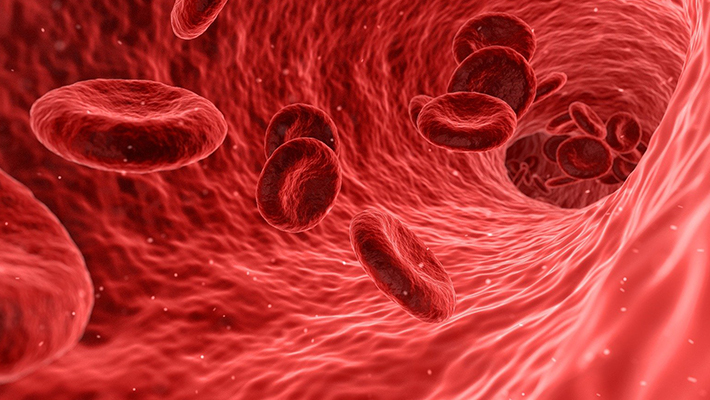
Blood cells carry oxygen and nutrients throughout the body

Everything You Need to Know about O-Positive Blood Type

Avoid health risks, fertility problems, or potentially life-threatening situations from not knowing your blood type, its properties and limitations. Knowing your blood type will help you tailor your diet and exercise routines, live a healthier lifestyle, and avoid giving or receiving blood when types are incompatible.

wiredhealthconference.com gathered essential information about the O-positive blood type, what it means, and its advantages and disadvantages.

What Does O+ Blood Type Mean?

O+ blood has no A or B antigens and is known as “O” blood. The (+) means the Rh antigen is present. O+ blood is crucial as a (mostly) universal red blood cell type. This blood type can be used in emergency situations like traumatic bleeding or other types of emergency transfusions.

Note: According to The American Red Cross, 38% of the global population has O-positive blood, making it the most common blood type.

Is O+ the Universal Donor?

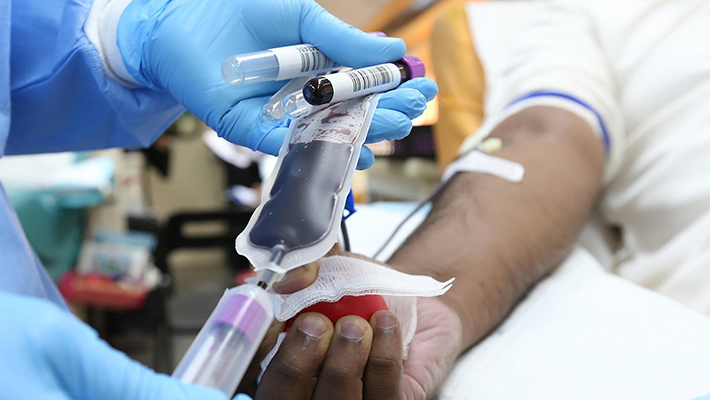
Blood type and health condition determine who can be a donor and who can be a recipient

No. O-positive blood cannot be used universally because it has the (+) Rh factor, but it is fully compatible with all positive blood types, including O+, A+, B+, and AB+ and since over 80% of the population has a positive blood type, O-positive blood is always in high demand.

Note: In major traumas with significant blood loss, many hospitals will transfuse O-positive blood, even when the patient’s blood type is unknown. The risk of reaction is much lower in ongoing blood loss situations, and O-positive is more readily available than O-negative. For this reason, type O-positive blood is critical in trauma care.

What Do Antigens Do for Blood Types?

An antigen is defined as any substance to which your immune system can respond. For example, blood group B has B antigens with anti-A antibodies in the plasma, while blood group A has A antigens on the red blood cells with anti-B antibodies in the plasma. These combinations of antigens and antibodies determine which blood type you are compatible with.

What is the Difference Between O-positive and O-negative?

Type O Blood has 2 different versions, and it is important to distinguish the differences. The principal difference between O-positive and O-negative blood is that the Rh factor is present on the surface of the red blood cells of the O-positive blood, while the Rh factor is absent on the surface of the red blood cells of the O-negative blood.

What Food Is Good for Those with O-Positive Blood?

Those with type O blood should consume high-protein foods and eat lots of meat, vegetables, fish, and fruit but should limit consumption of grains, beans, and legumes. To lose weight, seafood, kelp, red meat, broccoli, spinach, and olive oil are most effective, while wheat, corn, and dairy are to be strictly avoided.

An O-positive and negative diet will typically advise against the following food:

  • Coconut and all products containing coconut
  • Melons (cantaloupe and honeydew)
  • Oranges
  • Tangerines
  • Strawberries
  • Blackberries
  • Rhubarb
  • Avocado
  • Corn
  • Gluten
  • Bulgur, sprouted, white, and whole wheat
  • Wheat germ and bran
  • Cornstarch and corn syrup

Tip: There is currently no solid scientific evidence to prove that diets based on blood types are effective. Consult your primary care physician before experimenting or adopting any significant dietary regimen.

Read more about the O blood type dietary allowances and restrictions at medicalnewstoday.com/articles/319303

Disadvantages of O-Positive Blood?

Type O individuals (positive or negative) may be more likely to develop peptic ulcers caused by Helicobacter pylori bacterium than other blood types. Type O women may have a more significant risk of fertility problems like a lower egg count or a poorer egg quality than women with type A, B, or AB.

Furthermore, while O-positive people can donate blood to people with any positive blood type, but they can only receive blood from O-positive (O+) and O-negative (O−) people.

Do Certain Medications Prevent You from Donating Blood?

Blood types are generally not affected by medication

According to the Mayo Clinic, most medications do not prevent you from donating blood. Common medications like those used to control blood pressure, birth control pills, and over-the-counter medications do not affect your eligibility.

O-Positive Blood Type

In this article, you discovered essential information about O+ blood, how it is transfused, and its advantages and disadvantages.

Knowing your blood type will help you stay fit, avoid poor eating habits, and donate when possible conscious of the good you are doing.

Not knowing your blood type can lead to the wrong lifestyle choices, poor health, illness, and life-threatening medical complications if blood transfusions are required.

Sources:
carterbloodcare.org/education-center/blood-types/o-positive/
redcrossblood.org/donate-blood/blood-types/o-blood-type.html
health.harvard.edu/blog/diet-not-working-maybe-its-not-your-type-2017051211678
mayoclinic.org/blood-donor-program/faq
oneblood.org/media/blog/target-your-type/is-o-negative-a-rare-blood-type.stml

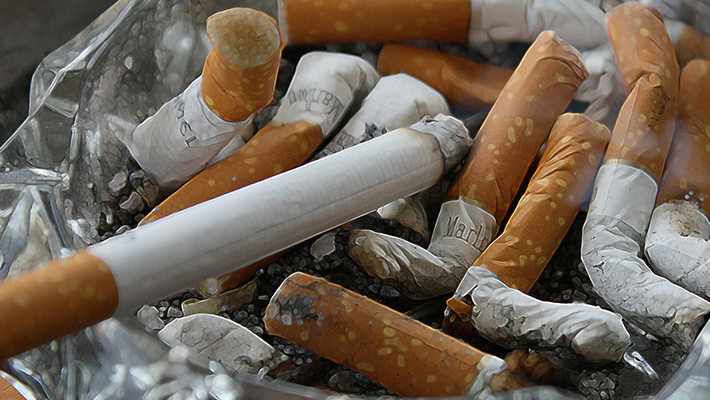
The effects of smoking can lead to health problems and death

Effects of Smoking

Prevent the early onset of debilitating diseases and premature death from a smoking habit. Knowing the effects of smoking will help you make informed decisions and take action to kick the habit.

wiredhealthconference.com gathered essential information about how smoking adversely affects your overall health and can lead to catastrophic results in the long term.

How Addictive is Smoking

Smoking affects every part of the body

Nicotine releases dopamine in the same regions of the brain as other addictive substances. It causes nearly immediate mood alterations that make the person temporarily feel good. Inhaled smoke delivers nicotine to the brain within seconds, which makes it very addictive. This addiction is comparable to that of opioids, alcohol, and cocaine.

Common Effects of Smoking

Cancer – Smoking causes or significantly contributes to most types of lung cancer. It can cause cancerous cells to develop almost anywhere on or in the body. This includes the following:

  • Skin
  • Lips
  • Mouth
  • Nose
  • Esophagus
  • Stomach
  • Throat (Tongue, Soft Palate, and Tonsils)
  • Voice Box
  • Liver
  • Kidney
  • Pancreas
  • Bladder
  • Bone
  • Blood
  • Cervix
  • Vulva
  • Colon
  • Penis
  • Anus

Chronic Respiratory Conditions – Smoking is the principal cause of chronic obstructive pulmonary disease (COPD), a severe, progressive, and disabling condition that restricts airflow in the lungs. Smoking also worsens asthma symptoms and is associated with an increased occurrence of asthma in both adolescents and adults.

Infections – Smoking severely debilitates the immune system, so you will be more likely to contract bacterial and viral infections.

Dental Problems – Smoking significantly increase the risk of gum diseases, tooth decay, tooth loss, and tooth sensitivity. Once a person has gum damage, smoking makes it more challenging for their gums to heal.

Heart Disease, Stroke, and Impaired Blood Circulation – Smoking is a significant cause of cardiovascular disease, such as heart disease, heart failure, and stroke. Smoking increases the risk of blood clots, which block blood flow to the heart, brain, lungs, or legs. Some smokers end up having their limbs amputated due to reduced blood circulation caused by smoking.

Hearing Loss – Smoking restricts blood flow to the inner ear. Smokers may also lose their hearing earlier in life than a non-smoker.

Vision Loss – Smoking significantly damages the eyes and can quickly lead to macular degeneration.

Osteoporosis and Menopause – Smoking is a significant risk factor for osteoporosis and, in women, may result in the early onset of menopause as compared to a non-smoker.

Fertility Problems – Smoking can make it more challenging to impregnate or get pregnant and severely affect sperm quality. For pregnant women, smoking can adversely affect a baby’s health before and after birth.

Smoking and Death

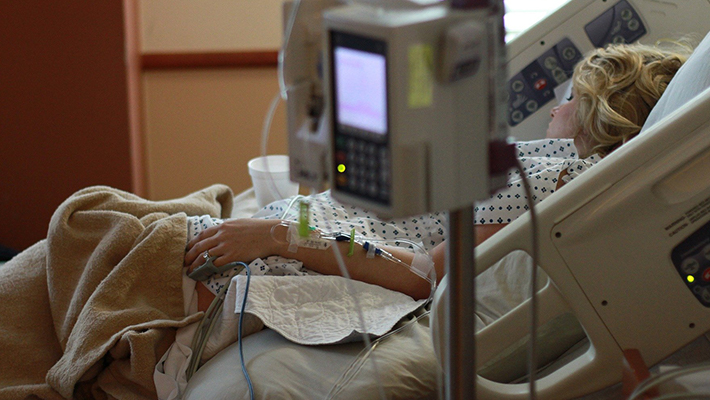
The effects of smoking are far reaching and can cause multiple diseases and organ failure

According to the Centers for Disease Control (CDC), Cigarette smoking is the leading cause of preventable death in the United States. Smoking causes more deaths each year than the following causes combined:

  • Human immunodeficiency virus (HIV)
  • Illegal drug use/abuse
  • Alcohol use/abuse
  • Motor vehicle fatalities
  • Firearm-related incidents

Smoking causes about 90% (or 9 out of 10) of all lung cancer deaths, and more women die from lung cancer each year than from breast cancer.

Cigarette smoking increases the risk of death from all potential causes in both men and women. The risk of dying from cigarette smoking has increased dramatically over the last 50 years in the U.S.

Smoking Addiction

Smoking cigarettes or using any other tobacco product can cause a nearly immediate nicotine addiction. Nicotine is highly addictive, so even infrequent or occasional use can lead to complete dependence. It is also possible for smoking cessation products, like nicotine gum, lozenges, or patches, to cause nicotine addiction. However, this risk is significantly lower.

Note: Within seconds of your first drag, the toxic chemical components in tobacco smoke reach your brain, heart, and other organs. Smoking harms nearly every part of your body and significantly increases your risk of numerous diseases. Smoking also affects your appearance, state of mind, your finances, and your loved ones.

Quitting Smoking

Quitting smoking is one of the most important actions people can take to improve their health. This is true regardless of their age or how long they have been smoking. Visit any one of the following for guidance and encouragement:

  • cdc.gov/tobacco/campaign/tips/quit-smoking/index.html
  • mayoclinic.org/healthy-lifestyle/quit-smoking/in-depth/nicotine-craving/art-20045454
  • samhsa.gov/find-help/national-helpline
  • smokefree.gov

Note: As with quitting any other addiction, you will experience good and difficult times. During those difficult times, it is imperative that you reach out to someone who understands your difficulties and will help you see them through.

Side Effects of a Smoking Habit

In this article, you discovered the effects and severe health risks that a smoking habit represents and essential resources to help you stop.

Quitting smoking has immediate and long-term health benefits that will help you combat the early onset of chronic diseases while significantly extending your lifespan.

Ignoring the need to stop smoking can exacerbate the formation of cancerous cells anywhere in the body, cause heart disease, heart failure, result in a stroke, cause chronic hypertension, or end in a fatal heart attack.

Sources:
health.gov.au/health-topics/smoking-and-tobacco/about-smoking-and-tobacco/what-are-the-effects-of-smoking-and-tobacco
cdc.gov/tobacco/data_statistics/fact_sheets/health_effects/effects_cig_smoking/index.htm
lung.org/quit-smoking/smoking-facts/health-effects/smoking
health.harvard.edu/newsletter_article/light-and-social-smoking-carry-cardiovascular-risks
mayo.edu/research/centers-programs/nicotine-research-program/about-nicotine-dependence/tobacco-related-diseases

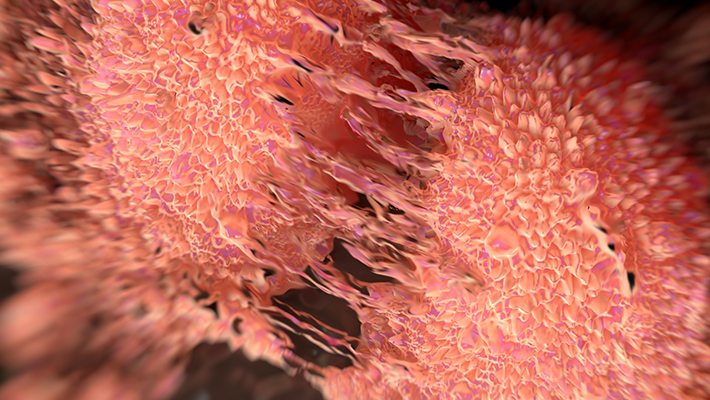
Prostate cancer cells divide and spread quickly

What are the 5 Warning Signs of Prostate Cancer

Avoid developing an often treatable life-threatening cancer diagnosis. Knowing the warning signs of prostate cancer will help you seek medical attention before it further develops and spreads to other areas in your body.

wiredhealthconference.com gathered essential information about prostate cancer and 5 of the most common prostate cancer warning signs, how they are commonly mistaken, and what to do about them.

What is Prostate Cancer?

Prostate cancer is one of the most commonly occurring types of cancer in men. Many prostate cancers grow slowly and remain confined to the prostate gland, where they may not cause significant harm. However, while some types of prostate cancer grow slowly and may need minimal or no treatment at all, other variations are extremely aggressive and can spread quickly.

The prostate is the walnut-sized gland found only in men, located under the bladder and in front of the rectum, and surrounding the urethra (the tube-like pathway that carries urine out of the bladder). The prostate produces and stores the essential fluid that helps to make and nourish semen.

When prostate cancer is detected early (while still confined to the prostate gland), the individual will have the optimal chance for successful treatment. The following are five warning signs that the prostate has developed cancer:

1. Painful Urination or Ejaculation

Multiple reasons can result in discomfort or pain when urinating or ejaculating. These can include:

  • Prostatitis – This condition causes swelling and inflammation of the prostate. This swelling often results from a prostate infection. Prostatitis can also be caused by other issues, like nerve damage or a urinary tract infection (UTI) that damages the prostate.
  • Diabetes – Men with diabetes may suffer nerve damage that results in prostatitis.
  • Benign prostatic hyperplasia (BPH) – This is a condition that causes an enlarged prostate and may also affect ejaculation. Men with BPH may also suffer painful or difficult urination or frequent urges to urinate.
  • Medication
  • Sexually Transmitted Infections (STIs)

Note: Multiple nerves and tissues collaborate in both ejaculation and urination. For this, any conditions, injuries, or procedures that affect or disturb this area of the body could result in painful ejaculation and urination.

Tip: Men who experience painful ejaculations should see a specialist in genitourinary health or ejaculation dysfunction. Early treatment can prevent underlying conditions from getting worse.

2. Blood in the Urine or Semen

For most men, this is an alarming symptom that vividly indicates that something has gone awry. Blood in the semen (also called hematospermia) or urine (hematuria) can be caused by recent urinary treatment, injury to the testicles or other areas of the reproductive system, or an obstruction from benign prostatic hyperplasia (BPH). Seek medical assistance if you:

  • Have a history of cancer, bleeding disorders, or genital or urinary system malformation
  • Are at risk for sexually transmitted infections
  • Are 40 or older
  • Experience symptoms longer than two to three weeks
  • Develop recurring symptoms
  • Find urination painful

Note: Blood in urine or semen can be caused by occurrences that aren’t due to an underlying disease.

3. Sudden Erectile Dysfunction (ED)

Erectile dysfunction (ED) usually develops with time, often due to circulatory or nervous system problems. But, it can occur unexpectedly and suddenly. Sudden erectile dysfunction will typically suggest a psychological barrier or that a medication is causing the issue. Sudden ED is also referred to as sudden impotence.

See your primary care physician for recommendations and referrals. If you are already treating conditions like diabetes, heart disease, or other known health condition, consider that these may be linked to your erectile dysfunction.

4. Bone Pain

Bone pain is less commonly occurring than joint or muscle pain. The source of bone pain may be clear, like emanating from a fracture. However, other less conspicuous causes, like cancer spreading or metastasizing to the bone, may be less obvious and more easily dismissed.

Note: Bone pain usually feels deeper, sharper, and more intense than muscle pain. Muscle pain also feels more generalized throughout the body.

5. Frequent Urination

Prostate cancer may result in frequent urination

Frequent urination (especially at night) can be a symptom of many different conditions like kidney disease or simply drinking excessive fluids. When frequent urination is accompanied by fever, pain, or discomfort in the abdomen, you may have a urinary tract infection.

You should consult your doctor if you are urinating more frequently than usual and if:

  • There’s no apparent cause, like drinking more total fluids, alcohol, or caffeine
  • The problem interrupts your sleep or daily activities
  • You have other urinary problems or troubling symptoms

Note: When taking diuretics for hypertension, heart failure, or other conditions, you will find yourself urinating more frequently. Contact your primary care physician for advice if this reaches a severely disruptive state.

Noncancerous Symptoms

The symptoms addressed in this article are or can be present in many men who do not have cancer. It is always recommended to discuss all symptoms and concerns with a doctor before jumping to conclusions.

Can prostate cancer be prevented?

Not yet. As of the time of this publication, there are no clear or definitive prevention strategies for prostate cancer.

There is some conflicting evidence that a healthy, low-fat diet high in vegetables and fruits may help reduce your risk of developing prostate cancer. Routine screening, with PSA blood testing and physical exams, is crucial for detecting prostate cancer at an early stage.

Note: A healthy diet and regular exercise are critical components in maintaining good health and preventing disease in general.

Signs of Prostate Cancer

In this article, you discovered vital information about the definition of prostate cancer, 5 of the most typical warning signs, and what those symptoms may alternatively represent.

By paying attention to and acting on irregularities in bodily function, you are positioning yourself for the early diagnosis of potentially life-threatening conditions.

Ignoring signs of prostate cancer can lead to withering health and potentially cause hospitalization or death.

Sources:
clevelandurology.net/posts/news/do-you-know-the-five-warning-signs-of-prostate-cancer/
mayoclinic.org/diseases-conditions/prostate-cancer/symptoms-causes/syc-20353087
uclahealth.org/urology/prostate-cancer/what-is-prostate-cancer
medlineplus.gov/ency/article/003180.htm

Common health issues in young adults include severe medical problems

5 Common Health Problems in Young Adults

Avoid crippling medical events, hospitalization, or death because you think you’re too young to have health problems. Knowing how fragile your health can be and what can strike early on will help you prevent more severe outcomes.

wiredhealthconference.com gathered essential information about 5 of the more common health issues that can severely affect young adults.

Medical Problems in Young Adults

Not so far in the past, young adults were thought to not suffer from “old-person’s health issues,” and most symptoms were simply shrugged off or downright ignored. Comments like “He’s too young for that” or “She’ll grow out of it” were commonplace until the medical field took notice of a growing number of young men and women developing more severe medical conditions.

The following are 5 common health problems that should be taken seriously and monitored regardless of age:

Type 2 Diabetes

Type 2 diabetes is an impairment in how the body regulates and utilizes sugar (glucose) as a fuel. This long-term (chronic) condition results in excess sugar circulating in the bloodstream. Eventually, high blood sugar can lead to severe disorders of the circulatory, nervous, and immune systems.

Type 2 diabetes used to be called adult-onset diabetes, but both type 1 and type 2 diabetes can begin during childhood and continue into adulthood. Type 2 is more common in more mature adults, but the increase in children suffering from obesity has led to more cases of type 2 diabetes in younger people.

Symptoms

Symptoms of type 2 diabetes often develop slowly. In fact, you could be living with type 2 diabetes for several years and not be aware of it. When signs and symptoms are present, they may include:

Common health issues in young adults include diabetes

  • Increased thirst
  • Increased hunger
  • Frequent urination
  • Unintentional weight loss
  • Fatigue
  • Blurred or loss of sight
  • Slow-healing sores
  • Frequent infections
  • Numbness or tingling (neuropathy) in the hands or feet
  • Areas of darkened skin, usually in the armpits and neck

As of yet, there is no cure for type 2 diabetes. However, losing weight, eating well, and exercising can help you manage the disease. If diet and exercise aren’t enough to manage your blood sugar, you may need diabetes medications or insulin therapy.

High Blood Pressure

Common health issues in young adults include high blood pressure

Even if you’re a young (apparently healthy) adult, you aren’t too young to be adversely affected by high blood pressure (hypertension). In fact, almost half of adults over the age of 20 have elevated or high blood pressure. High blood pressure doesn’t present obvious symptoms, but that doesn’t give you a license to ignore it.

High blood pressure doesn’t usually manifest itself with detectable symptoms. In very rare cases, severely elevated high blood pressure can cause headaches, blurred vision, dizziness (vertigo), nosebleeds, a fluttering or racing heartbeat, nausea, and vomiting. If you know you have high blood pressure and any of these symptoms start, seek medical attention right away.

Treatment

  • Maintain a healthy weight. If you’re overweight, losing 10 pounds can lower your blood pressure.
  • Keep your salt consumption below 1,500 mg/day.
  • Exercise. Try to exercise for 90 minutes (minimum) every week.
  • Limit alcohol consumption. Keep your alcohol intake to one drink per day if you’re a woman or two drinks per day if you’re a man. Or just eliminate it altogether.
  • Eat healthier. Diets low in saturated or trans fats and rich in fruits, vegetables, and whole grains.

Note: Uncontrolled high blood pressure is a significant risk factor for heart disease, heart failure, renal failure, kidney failure, stroke, heart attack, among other life-threatening conditions in middle age.

Stroke

Common health issues in young adults include stroke

According to data published by the Cleveland Clinic, an estimated 10% of strokes occur in people under age 50. Drug use and genetic conditions certainly account for some of the strokes seen in young adults.

Causes of Stroke in those under age 50:

  • Congenital heart disease – Any conditions leading to heart abnormalities or irregular heart rhythms.
  • Blood clotting disorders – Conditions increasing the tendency of platelets and/or red blood cells to clot while traveling through the body.
  • Sickle cell disease – Deformed sickle cells can block arteries and vessels.
  • Metabolic conditions – Narrowing of blood vessels supplying blood to the brain, high blood pressure, or abnormal cholesterol levels.

The risk factors for strokes in all age groups include:

  • High blood pressure.
  • High cholesterol.
  • Diabetes.
  • Smoking.
  • Obesity.
  • Abnormal heart structures. (inherited or acquired)

Tip: Medical staff can do volumes more early on. If you suspect that you are at risk of (or having) a stroke, remember that your quality of life depends on you quickly seeking help.

Colon & Rectal Cancer

Common health issues in young adults include cancer

Certain genetic conditions like Lynch syndrome and familial adenomatous polyposis raise the risk of developing colorectal cancer at a young age.

Colon Cancer Symptoms in Young Adults

  • Rectal bleeding and/or blood in the stool.
  • Change in bowel movements that last more than 72 hours. Changes may include diarrhea, constipation, or narrowing (elongating) of the stool.
  • Abdominal discomfort or pain.
  • Continuous feeling of a coming bowel movement.
  • Weakness.
  • Changes in the size or shape of stools.
  • A new need for straining or exertion to evacuate stools.
  • Weight loss without dieting.
  • Fatigue or reduced exercise stamina compared to usual.

It is never too early to start making healthy lifestyle choices/changes to reduce your risk of colorectal and several other cancer types. Here are some basics to get you started:

  • Be physically active. Try to exercise for 90 minutes (minimum) every week.
  • Limit red meat and avoid processed meat.
  • Eat a plant-based diet.
  • Limit or eliminate alcohol consumption.
  • If you smoke, STOP. If you don’t smoke, don’t start.

Tip: If your doctor thinks you should get a colonoscopy to screen for colorectal cancer, do it. It’s a safe procedure, and getting a colonoscopy has vast benefits. It can help prevent cancer, and it can prevent your death.

Severe Arthritis

Common health issues in young adults include arthritis

Arthritis is a group of more than 100 known diseases causing chronic pain and joint inflammation. Most arthritis types, including osteoarthritis, are more frequent in middle-aged and older people. However, arthritis also occurs in young adults.

Symptoms

Arthritis symptoms vary depending on the type. Across arthritis types, though, the hallmark symptom is chronic pain, particularly in the joints.

Some other symptoms include:

  • Pain, swelling, tenderness, tension, or redness near a joint
  • Reduced or limited mobility
  • Fatigue (lack of energy) or weakness
  • Depression
  • Fever

Treatments

1 – As of yet, there is no definitive cure for arthritis. Instead, treatment focuses on reducing the associated inflammation and pain management.

2 – Treatment depends on the type of arthritis a person develops. For example, drugs to reduce uric acid may help relieve gout pain. In general, however, treatment options include:

  • Lifestyle changes (quitting smoking, maintaining moderate weight, eating a healthy and balanced diet).
  • Anti-inflammatory and non-opioid medications.
  • Exercise. Try to exercise for 90 minutes (minimum) every week.

Severe Health Problems for Young Adults

In this article, you discovered 5 common health issues becoming more prevalent among young adults.

Knowing how to detect and treat health issues early on can increase one’s health and quality of life as they age.

Ignoring the signs and symptoms of health problems in young adults can result in grave consequences, including hospitalization and death.

Sources:

mayoclinic.org/diseases-conditions/type-2-diabetes/symptoms-causes/syc-20351193
mdanderson.org/cancerwise/why-are-more-young-adults-getting-colorectal-cancer-what-to-know.h00-159385890.html
houstonmethodist.org/blog/articles/2020/jan/why-your-blood-pressure-matters-even-in-your-20s-and-30s/
health.clevelandclinic.org/why-are-strokes-on-the-rise-in-younger-people/
cancer.gov/news-events/cancer-currents-blog/2020/colorectal-cancer-rising-younger-adults